Three friends. One village conversation about farming. And a discovery that changed everything: most small farmers were operating at a loss — and didn't even know it.
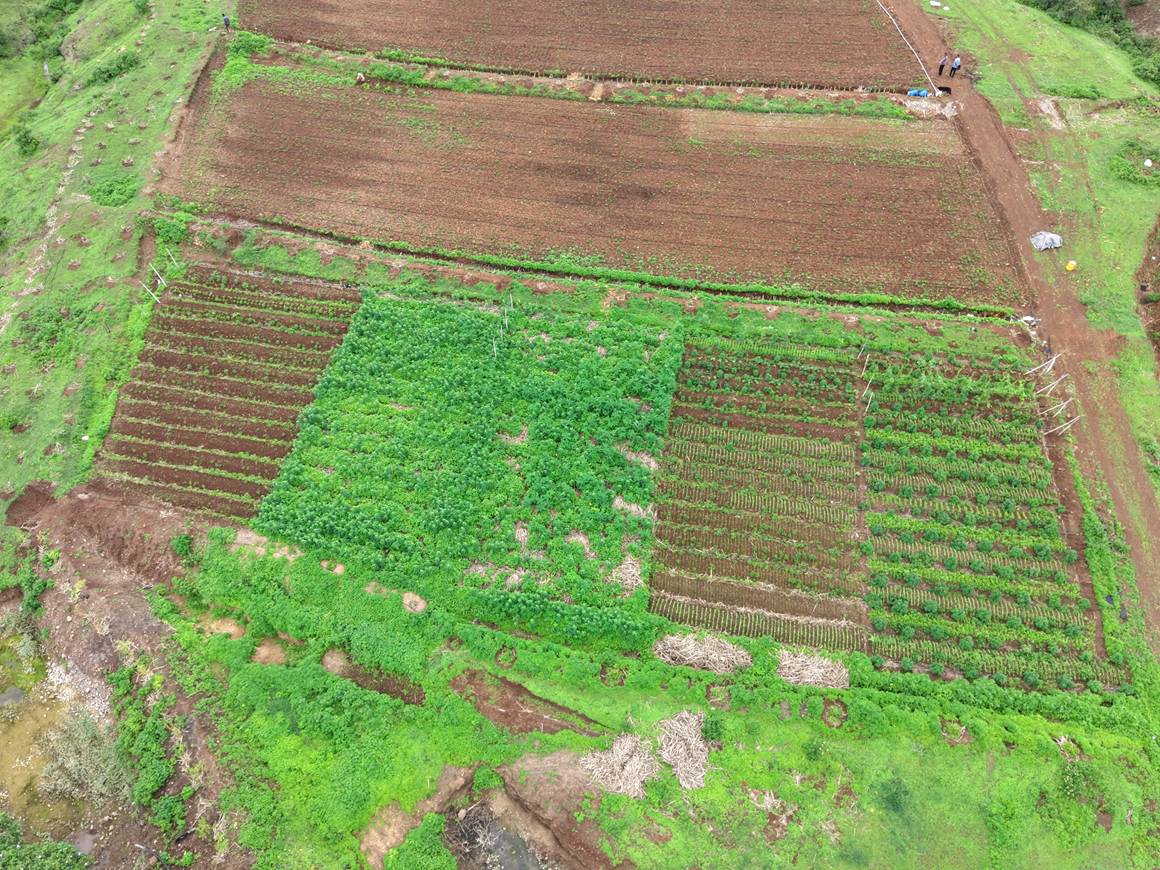
During Covid, Pradnyesh (agriculture student), Sanket (CA from a farming family) and Pandurang (20 years in process automation & digital marketing) found themselves back in their villages near Pune. When they drew up honest profit-and-loss statements for small farmers, the picture was alarming — a debt cycle hiding in plain sight:
The season starts with borrowed money for inputs.
Fertilisers and pesticides bought repeatedly as crop issues mount.
Each new issue is answered with more chemicals — and more cost.
After repayment, little or no profit remains. The cycle restarts.
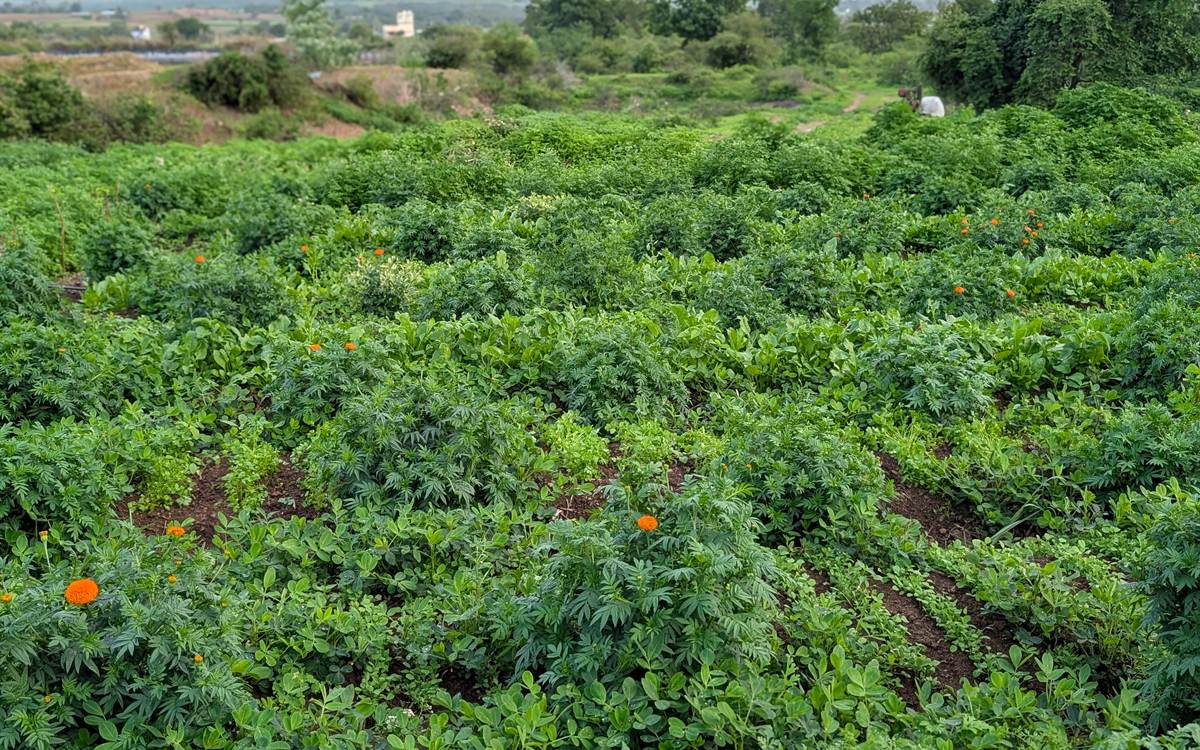
If chemical inputs were the biggest cost, what if they simply weren't needed? On roughly 1,000 sq ft, the trio tested natural farming first-hand — jeevamrut made from gobar, gomutra, jaggery and gram flour, and the lost art of companion farming, where cucumber, gawar, bhindi, methi and coriander root at different depths and feed one another.
They followed it up with formal training in permaculture, and a bigger conviction: this could work at scale.
"When we sow a few grains, nature returns it a hundredfold within a few months. No bank or institution can offer such returns. If God is giving so much, how can farming be in loss?" The inspiration — Pandurang Shastri Athavale
Three friends analyse the farmer's economics and find the debt cycle. The 1-guntha natural farming experiment begins.
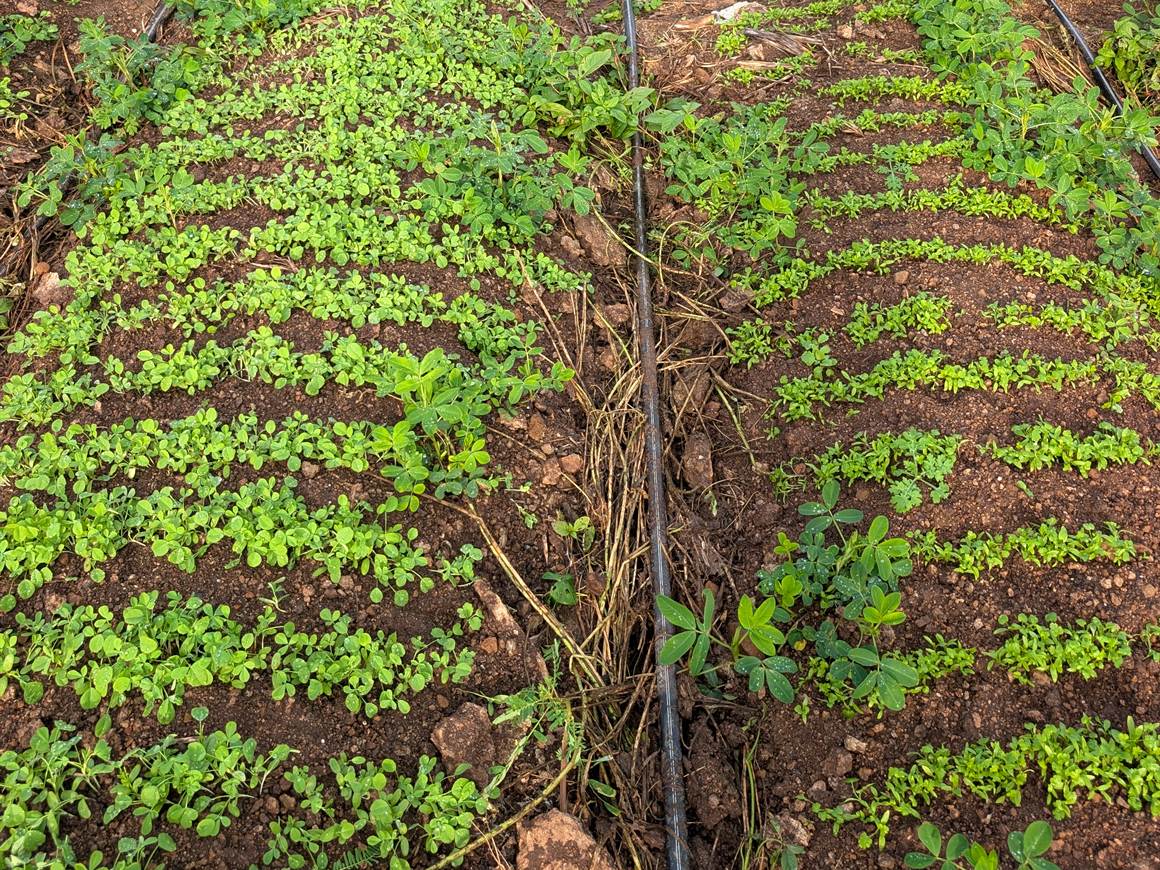
The experiment beats chemical farming by 25%. Pradnyesh and Pandurang train in permaculture at Hyderabad and study markets across multiple cities.
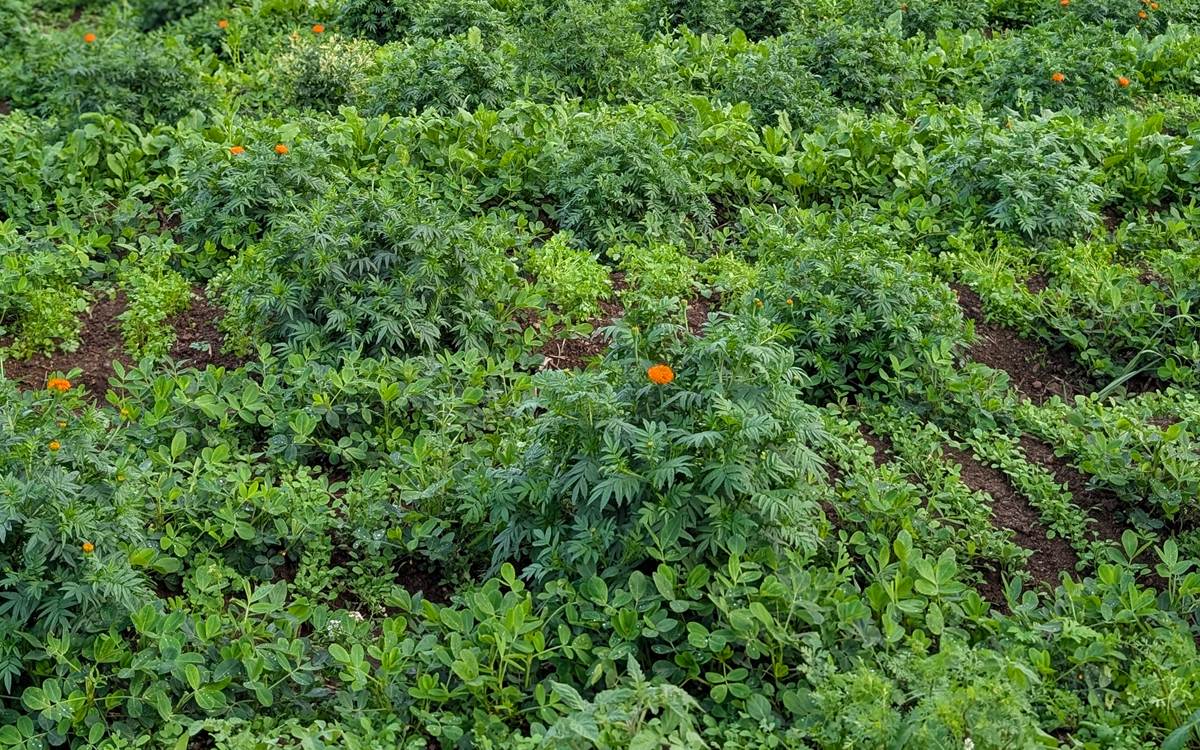
A pilot delivers naturally grown flour, dals and pulses to 80 Pune families — packed in paper and cloth bags stitched from upcycled saris. The verdict: ₹10–12 extra per person per day is worth it.
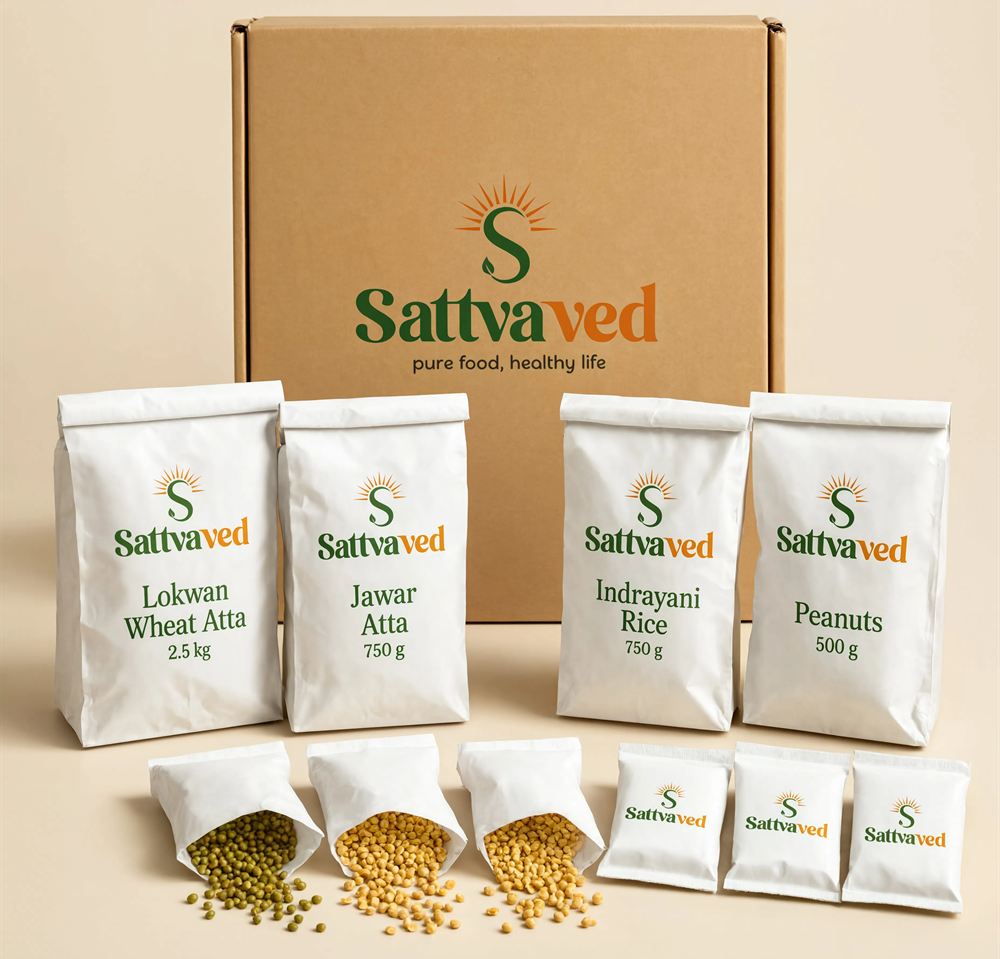
Registered with three clear commitments: ethical practices, complete transparency, and zero plastic.
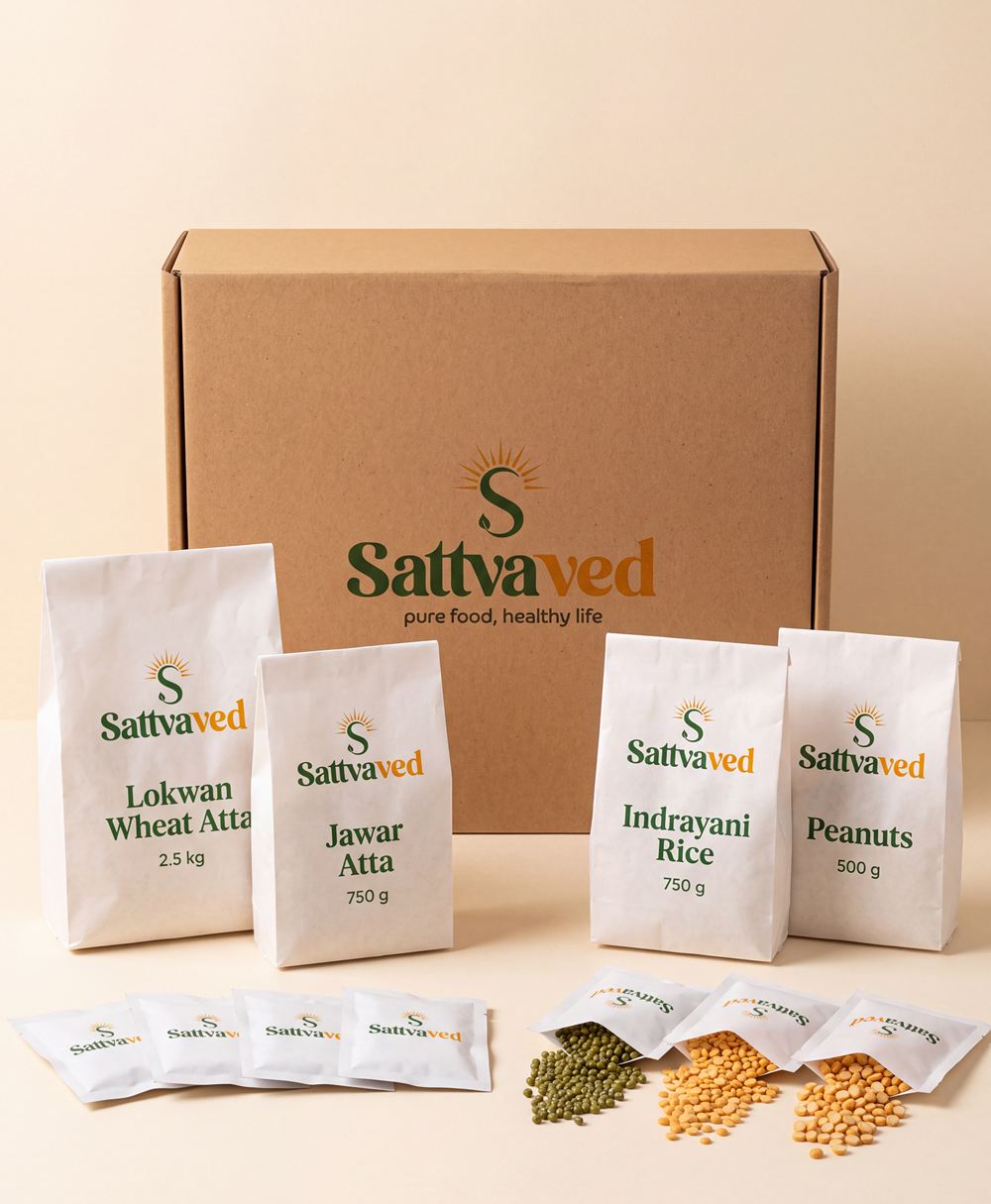
Stone chakki flours, wooden pressed oils and naturally grown staples reach Pune homes — with batch-wise purity testing behind every product.
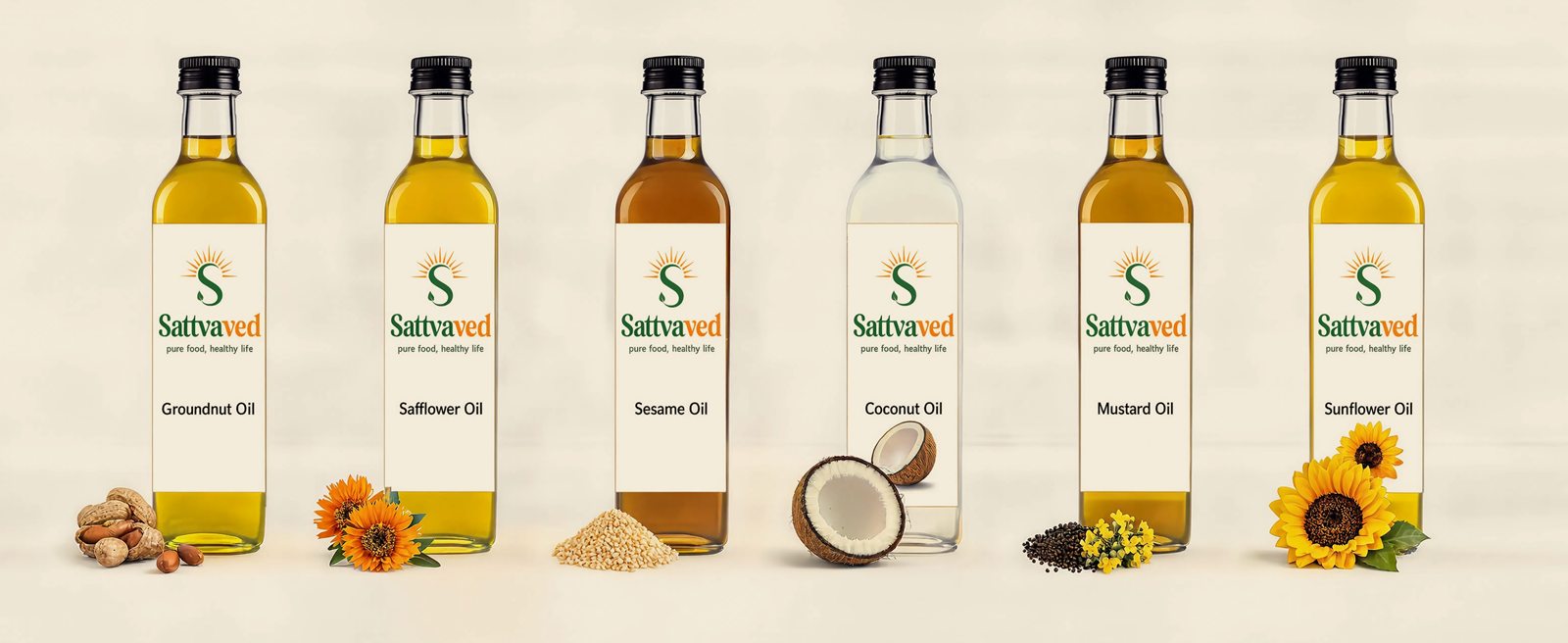
Scaling to 5 cities, expanding natural farming to 60 acres by 2027, and taking full responsibility for farming and selling — so farmers carry no financial risk and take home 40% of profits.
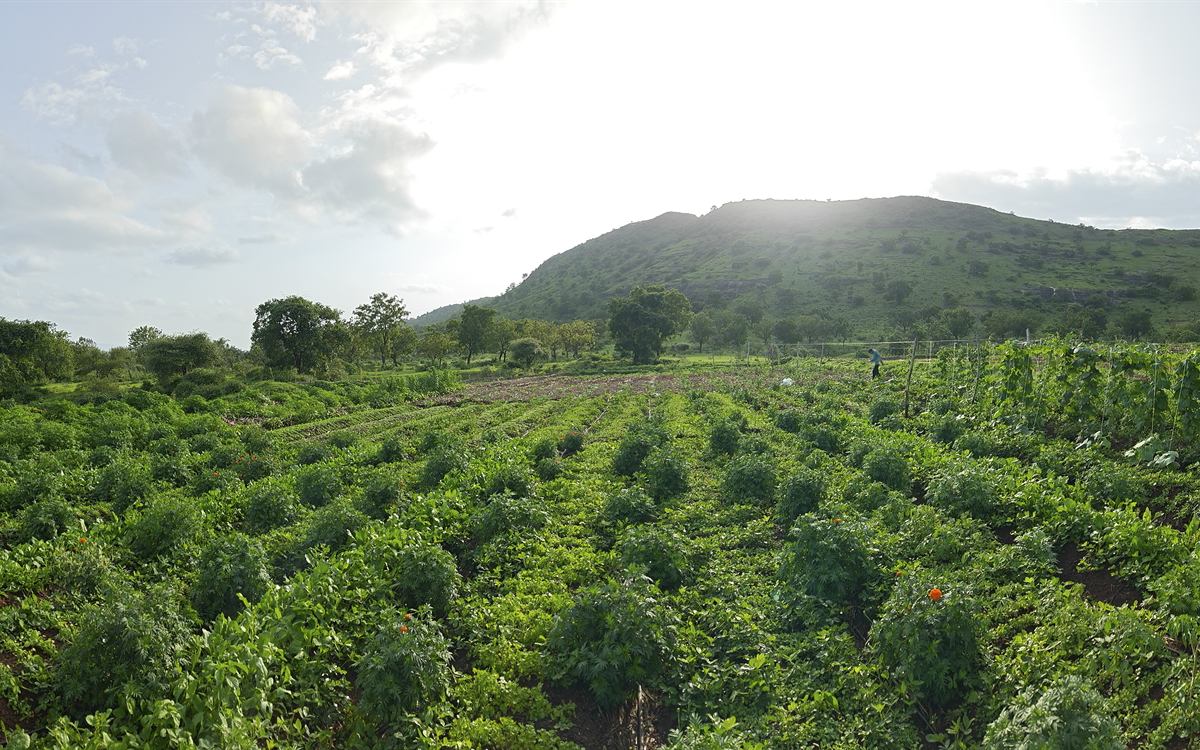
We fund farmers' necessary expenses, train them in natural farming, manage the sale — and share 40% of profits with them.
Rapid chemical-residue testing on every procurement batch. "Natural" is verified, not assumed.
Real food shouldn't be a luxury. Our staples cost only about 50% more than regular supermarket produce — not 3–4×.
Paper bags, filled fresh against your order, carried in cloth bags stitched from upcycled saris.
Every process is documented — so what we promise is what you can verify.
Eco-friendly extraction, zero-waste farming, and crops that heal the soil instead of stripping it.
Agriculture graduate from Kolhapur who first uncovered the farmer's hidden losses — and now leads our natural farming practice and farmer partnerships.
Chartered Accountancy background, from a family of farmers. Keeps the economics honest — for the customer and for the farmer.
20 years in process automation, digital marketing and business expansion — building the systems that take pure food from farm to thousands of homes.
When you choose Sattvaved, you're not just buying pure food — you're funding a fairer way to farm.